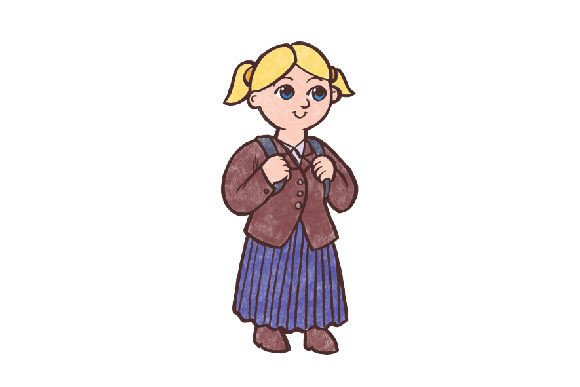
Back to School – Girl: Meaning, Design Uses, and Why It Matters in Education and Creativity
When you search for “Back to School – Girl” online, you’re likely looking for a ready-to-use digital illustration—often offered as an SVG file, transparent PNG, EPS, or DXF format. But beyond the download button lies a meaningful visual symbol rooted in education, inclusivity, and creative expression. This article unpacks what “Back to School – Girl” truly represents—not just as a graphic asset, but as a cultural and practical tool used across classrooms, marketing campaigns, learning apps, and DIY projects.
What Is “Back to School – Girl”?
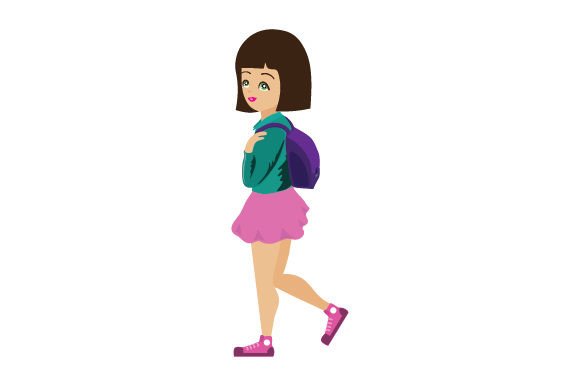
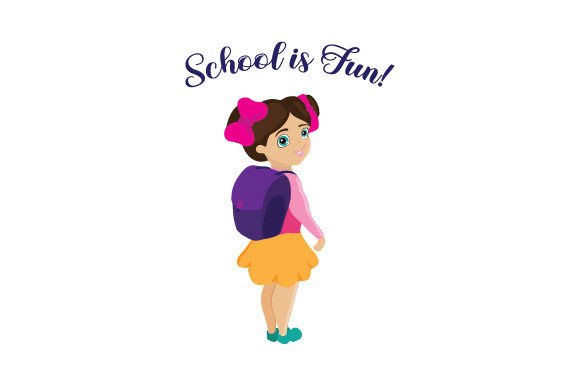
“Back to School – Girl” refers to a stylized, gender-inclusive digital illustration of a young girl preparing for or returning to school. Unlike generic clipart, modern versions are intentionally designed with diversity in mind—featuring varied skin tones, hairstyles, clothing styles, backpacks, books, and even assistive devices like hearing aids or glasses. These illustrations are commonly delivered in vector (SVG, EPS, DXF) and raster (transparent PNG) formats to ensure scalability and seamless integration into both print and digital media.
Crucially, this isn’t just about aesthetics. The “girl” in “Back to School – Girl” reflects a broader commitment to representation—ensuring girls see themselves reflected in educational materials, classroom posters, lesson plans, and school branding. It’s part of a larger shift toward equitable, identity-affirming design in education.
Why This Design Format Matters Today
In 2024, educators, designers, small business owners, and parents increasingly rely on high-quality, editable graphics to communicate warmth, readiness, and inclusion. A “Back to School – Girl” SVG file, for example, can be resized without pixelation—making it perfect for everything from a tiny app icon to a full-size bulletin board display. Its transparent PNG version allows effortless layering over photos or branded backgrounds. Meanwhile, EPS and DXF files support professional printing and laser-cutting—ideal for school welcome signs, custom stickers, or engraved name tags.
This versatility meets real-world needs: a teacher creating a “Meet Your Teacher” slide deck might use the SVG to animate a friendly wave; a homeschool parent could import the DXF into Cricut Design Space to cut out personalized bookmarks; a nonprofit launching a literacy campaign might adapt the transparent PNG into multilingual social media banners.
Real-World Applications Across Sectors
- Classroom & Curriculum Design: Teachers embed these graphics into interactive PDF worksheets, Google Slides lesson intros, or printable reward charts—reinforcing routines while affirming student identity.
- Educational Technology: EdTech startups use scalable vector versions in onboarding flows, progress trackers, and avatar selection screens—ensuring UIs feel welcoming and age-appropriate.
- Small Business & Print-on-Demand: Stationery shops, Etsy sellers, and local print studios license or customize these designs for back-to-school planners, tote bags, and laminated schedules—tapping into seasonal demand with inclusive visuals.
- Community Outreach: Libraries, after-school programs, and PTA groups use them in bilingual flyers, welcome kits, and orientation videos—helping families feel seen from day one.
Common Misconceptions—Clarified
It’s easy to assume “Back to School – Girl” is just decorative—or worse, outdated. Let’s clear up three frequent misunderstandings:
- Myth: It’s only for elementary schools.
Reality: Age-neutral styling (e.g., minimalist lines, expressive eyes, neutral outfits) allows adaptation for middle and even high school contexts—especially when paired with thoughtful typography or contextual elements like laptops or lab goggles. - Myth: Using a stock-style girl image means “checking a box.”
Reality: When chosen intentionally—with attention to cultural authenticity, disability inclusion, and artistic integrity—it becomes a bridge, not a barrier. The difference lies in curation, not just selection. - Myth: File format doesn’t affect impact.
Reality: Choosing SVG over JPEG isn’t just technical—it enables accessibility features like screen reader compatibility (when properly coded), responsive resizing for diverse devices, and easier color customization for dyslexia-friendly palettes.
How to Choose the Right Version for Your Needs
Not all “Back to School – Girl” files serve the same purpose. Here’s how to match format to function:
- SVG (Scalable Vector Graphic): Best for websites, digital presentations, and apps where crisp clarity at any size matters. Supports CSS styling and animation—ideal if you want the girl to smile or wave on hover.
- Transparent PNG: Perfect for layered designs—think Instagram story templates, Canva social posts, or printed handouts where the background must show through cleanly.
- EPS (Encapsulated PostScript): Industry standard for professional offset printing. Use this when ordering large-format banners, brochures, or school yearbook graphics through a commercial printer.
- DXF (Drawing Exchange Format): Designed for CNC machines and cutting software. Choose this if you’re crafting physical items—like acrylic desk organizers, wooden classroom labels, or fabric appliqués for backpacks.
Pro tip: Always verify licensing terms. Many reputable sources offer royalty-free commercial use—but double-check whether attribution is required, especially for nonprofit or district-wide deployments.
Beyond the Graphic: Supporting Real Girls’ Back-to-School Journeys
A powerful illustration gains deeper meaning when connected to action. Consider pairing your “Back to School – Girl” design with tangible support strategies:
- Academic Readiness: Use the image as a visual anchor in goal-setting activities—e.g., “This is me setting my reading goal for September.”
- Social-Emotional Learning (SEL): Print and laminate the transparent PNG to create emotion cards: “How is she feeling today? How are you?”
- Family Engagement: Turn the SVG into a customizable “All About Me” template—let students add their names, favorite subjects, and family traditions.
- Inclusion Initiatives: Feature multiple versions—different abilities, languages, family structures—to spark classroom conversations about belonging.
Remember: The graphic itself doesn’t educate—but how you use it can foster connection, confidence, and continuity during a major transition.
Final Thoughts: More Than a Download
“Back to School – Girl” may begin as a simple search term—and end as a downloaded file—but its value multiplies when grounded in intention. Whether you’re a curriculum designer choosing inclusive imagery, a parent personalizing a first-day-of-school sign, or a developer building a student-facing platform, this graphic carries quiet power. It signals: You belong here. Your story matters. Your return is celebrated.
In a world where digital assets flood our workflows, selecting one that balances technical flexibility with human resonance makes all the difference. So next time you open that SVG folder or drag a transparent PNG onto your canvas, pause—not just to edit colors or resize proportions, but to remember the real girls behind the pixels: curious, capable, and deserving of representation at every stage of learning.
Looking for more context? Explore related topics like Back-to-School Design Trends 2024, Inclusive Education Resources for Teachers, or Vector vs. Raster: A Practical Guide for Educators.