Tiger: A Cute and Lovable Font for Creative Projects
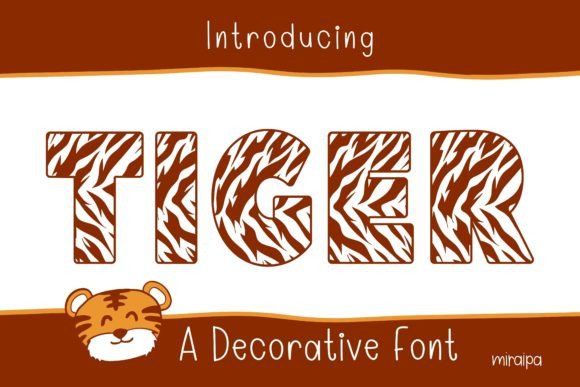
In a world where visual appeal plays a crucial role in communication, the right font can make all the difference. Tiger is a decorative font that stands out for its cute and lovely style, making it ideal for projects that require a friendly and whimsical touch. Whether you're designing for children, families, or creative endeavors, Tiger offers a unique way to express your ideas with charm and personality.
Why Tiger Matters in Modern Design
The rise of digital creativity has led to an increased demand for fonts that not only convey information but also evoke emotion. Tiger fits this need perfectly by blending playful aesthetics with readability. Its design appeals to a wide range of users, from educators looking for engaging materials to entrepreneurs seeking to add a personal touch to their branding.
As more people turn to DIY projects and personalized content, the importance of fonts like Tiger grows. They allow creators to infuse their work with a sense of warmth and approachability, which is especially valuable in industries such as education, marketing, and event planning.
Relevance in Current Trends
Today’s design trends emphasize authenticity and emotional connection. Tiger aligns with these values by offering a font that feels both modern and nostalgic. Its cute style resonates with audiences who appreciate simplicity and character, making it a versatile choice across various platforms.
With the increasing use of social media for personal and professional purposes, fonts that stand out are essential. Tiger can be used in social media posts, blog headers, or even clothing designs to create a memorable visual identity. Its adaptability ensures it remains relevant in an ever-evolving digital landscape.
Practical Applications for Everyday Use
Tiger is more than just a decorative font; it's a tool that can enhance a variety of projects. For instance, educators can use it to create eye-catching posters or lesson plans that engage students. Parents might find it useful for crafting personalized invitations for children's parties or creating handmade cards for special occasions.
Businesses can also benefit from Tiger by incorporating it into their branding materials. From packaging designs to promotional banners, the font adds a touch of friendliness that can differentiate a brand in a competitive market. It’s particularly effective for businesses targeting younger demographics or those focused on family-oriented products.
Evolution of Decorative Fonts
Decorative fonts have come a long way from being used solely for artistic purposes. Today, they are integrated into mainstream design practices, reflecting a shift towards more expressive and individualized content. This evolution has made fonts like Tiger more accessible and widely appreciated.
As design becomes more inclusive, there is a growing emphasis on fonts that cater to diverse audiences. Tiger exemplifies this trend by providing a style that is both appealing and functional. Its popularity highlights the changing expectations of users who seek not just clarity but also a sense of joy and creativity in their visual experiences.
How to Incorporate Tiger Into Your Workflow
Adding Tiger to your font library is a simple yet impactful step. Once integrated, it can be used across multiple platforms, including graphic design software, word processors, and digital publishing tools. This flexibility allows users to experiment with different applications and find the best fit for their needs.
For professionals, incorporating Tiger into their workflow can lead to more engaging content. Whether it's for a blog post, a presentation, or a marketing campaign, the font provides a unique way to capture attention and convey a message with warmth and personality.
Real-World Examples of Tiger in Action
Consider a local bakery that uses Tiger for its menu designs. The font adds a playful element that complements the store’s cozy atmosphere, making it more inviting for customers. Similarly, a children’s book author might use Tiger to create a cover that catches the eye of young readers while maintaining a sense of elegance.
Event planners can also benefit from Tiger by using it in party invitations or decorations. The font’s cute style enhances the overall theme of the event, creating a cohesive and visually appealing experience for guests. These examples illustrate how Tiger can be adapted to suit different contexts and needs.
Recommendations for Users and Creators
For those new to using decorative fonts, it’s advisable to start with small projects to understand how Tiger interacts with other design elements. Testing the font in different sizes and formats can help determine its effectiveness in various scenarios.
Experienced designers may find value in using Tiger as a complementary font to balance more serious typefaces. This approach allows for a dynamic visual hierarchy that maintains professionalism while adding a touch of creativity. Ultimately, the key is to use Tiger in a way that enhances the message and meets the needs of the audience.
Conclusion: Embrace the Charm of Tiger
Tiger is more than just a font; it’s a creative asset that brings a sense of warmth and personality to any project. Its cute and lovely style makes it an excellent choice for a wide range of applications, from educational materials to business branding. By incorporating Tiger into your design toolkit, you can elevate your work and connect with your audience in a more meaningful way.
Whether you’re a professional designer, a hobbyist, or someone looking to add a personal touch to your creations, Tiger offers a unique opportunity to express yourself with charm and creativity. Explore its potential and discover how it can transform your projects into something truly special.