It’s a Good Day to Teach Wild Flower: Embroidery That Celebrates Purpose, Craft, and Connection
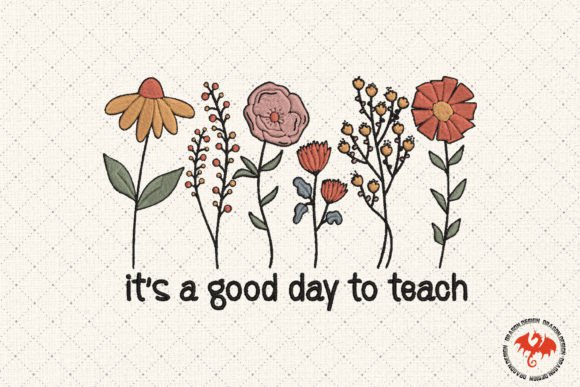
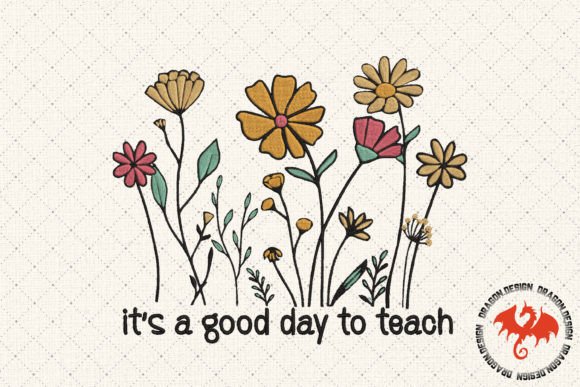
There’s something quietly powerful about stitching words that resonate—not just aesthetically, but emotionally. It’s a Good Day to Teach Wild Flower is more than a phrase stitched in thread; it’s a gentle affirmation for educators, makers, and anyone who finds meaning in nurturing growth—whether in a classroom, a studio, or a home. This machine embroidery design merges intention with artistry: a floral motif intertwined with a heartfelt message, designed to be embroidered on apparel, tote bags, wall hangings, teacher appreciation gifts, or even custom back-to-school supplies.
Why This Design Fits Where Creativity Meets Meaning
In recent years, embroidery has moved beyond hobbyist nostalgia into a deliberate practice of self-expression and values-driven design. People aren’t just choosing patterns—they’re selecting motifs that reflect identity, profession, and perspective. Educators, in particular, are gravitating toward pieces that honor the quiet resilience of teaching: not grand slogans, but grounded, warm, human-centered phrases like It’s a Good Day to Teach, Wild Flower. The “wild flower” metaphor works on multiple levels—it suggests natural growth, adaptability, individuality, and quiet strength. It doesn’t romanticize teaching; it dignifies it.
This shift aligns with broader cultural movements: the rise of mindful making, the demand for authentic personal branding (especially among freelance educators and small-business creatives), and the growing preference for tactile, screen-free creative rituals. Unlike digital-only content, embroidery invites presence—measuring fabric, selecting thread, adjusting tension, watching a design emerge stitch by stitch. That physical engagement makes the final piece feel earned, meaningful, and deeply personal.
Designed for Real-World Use—Not Just Inspiration
What sets this embroidery file apart isn’t just its sentiment—it’s its practical versatility. The design comes in multiple industry-standard formats (.pes, .jef, .dst, .exp, .vp3, .xxx), ensuring compatibility across major home and small-batch embroidery machines—from Brother and Janome to Bernina and Baby Lock. No conversion headaches. No format dead ends. That matters because time is the most non-renewable resource for busy professionals—whether you're a school counselor prepping welcome gifts, a boutique owner curating seasonal collections, or a homeschooling parent personalizing backpacks and lunchboxes.
It scales thoughtfully too. The design is digitized for clarity at common sizes (3”, 4”, and 5” hoop widths), so it reads cleanly on a denim jacket pocket, a linen tea towel, or a child’s notebook cover. And because it includes both full-color and monochrome thread suggestions, users can adapt it to existing thread palettes or seasonal color schemes—no need to buy new kits just to make it work.
Back-to-School, Reimagined
Back-to-school season used to mean mass-produced supplies and generic motivational posters. Now, it’s becoming more personalized, more handmade, more human. Teachers are receiving hand-embroidered aprons with their names and favorite quotes. Students are carrying custom totes stitched with affirmations like It’s a Good Day to Learn, Wild Flower—a subtle, empowering twist on the original. Parents are gifting embroidered bookmarks, pencil rolls, or library card holders to teachers—not as tokens, but as acknowledgments of craft and care.
This isn’t about perfection. It’s about resonance. A teacher who receives an embroidered tote bag with It’s a Good Day to Teach, Wild Flower doesn’t just see a design—she sees recognition. Recognition of her role as a cultivator, not just an instructor. That emotional weight transforms a functional item into a keepsake.
How Creators and Small Businesses Are Using It
Small-batch makers and educator-entrepreneurs are integrating this design into sustainable workflows. One Montessori supply shop uses it on organic cotton drawstring bags—each embroidered in-house during slow afternoons, then sold as part of a “Mindful Materials” bundle. A freelance curriculum designer stitches it onto canvas pouches she includes with digital course purchases, turning a virtual transaction into a tangible connection. A homeschool co-op embroiders it onto reusable snack bags for each family—practical, eco-conscious, and quietly unifying.
These uses share a pattern: they’re low-volume, high-intent, and rooted in relationship—not reach. There’s no pressure to go viral. Instead, there’s attention to detail, consistency of voice, and alignment between message and medium. That’s where It’s a Good Day to Teach Wild Flower earns its place—not as filler decoration, but as intentional punctuation in someone’s daily story.
Thoughtful Digitization Matters—Here’s Why
Not all embroidery files translate well across machines or fabrics. Poorly digitized designs can cause thread breaks, uneven fill, or misaligned lettering—frustrating for beginners and inefficient for pros. This file was tested across three fabric types (cotton twill, lightweight linen, and stable knit) and adjusted for underlay, pull compensation, and jump stitch placement. That means fewer stops to rethread, less stabilizer waste, and smoother transitions between floral elements and script text.
For educators learning embroidery as a side skill—or for business owners outsourcing digitizing—the reliability of the file saves hours. It also supports accessibility: clear layering and logical color stops make it easier to modify for high-contrast thread choices or simplified versions for adaptive use.
More Than a Trend—A Practical Anchor
Embroidery won’t replace digital communication—but it does fill a distinct gap. In a world saturated with notifications and ephemeral content, a stitched phrase endures. It’s touched, washed, folded, gifted, and kept. Its value compounds over time, not diminishes.
It’s a Good Day to Teach Wild Flower fits neatly into that enduring space. It doesn’t chase algorithmic attention. It meets people where they are: in classrooms preparing for new routines, in studios seeking meaningful projects, in living rooms where handmade decor replaces mass-produced prints. It works whether you’re stitching one item for your own desk or fifty for a district-wide teacher appreciation initiative.
Getting Started—Without Overcomplicating It
If you’re new to machine embroidery, start simple: choose a stable cotton fabric, use medium-weight tear-away stabilizer, and test stitch on scrap first. Adjust thread tension if the top thread shows on the back—or the bobbin thread shows on the front. Most modern machines have built-in tension guides; consult your manual rather than defaulting to online forums full of outdated advice.
If you’re scaling up, consider batch-cutting fabric and hooping multiple pieces at once using multi-hooping templates. Group color changes to minimize thread swaps—and remember, the design’s clean line work means you can confidently use variegated threads for the wildflower stems without losing legibility in the text.
And if you’re choosing this design for a gift? Pair it with something tactile and timeless—a wooden pencil box, a set of plantable seed paper thank-you cards, or a small potted succulent. Let the embroidery be the anchor; let the rest support its quiet intention.
A Stitch That Stays With You
At its core, It’s a Good Day to Teach Wild Flower reflects a larger shift: away from transactional creativity and toward purposeful making. It’s not about filling space—it’s about honoring effort, celebrating growth, and choosing beauty that serves meaning. Whether stitched on a teacher’s lab coat, a student’s backpack, or a kitchen wall hanging, it carries the same quiet confidence: that learning, teaching, and creating are all acts of tending—patient, attentive, and full of possibility.