4th Grade Back to Back to School
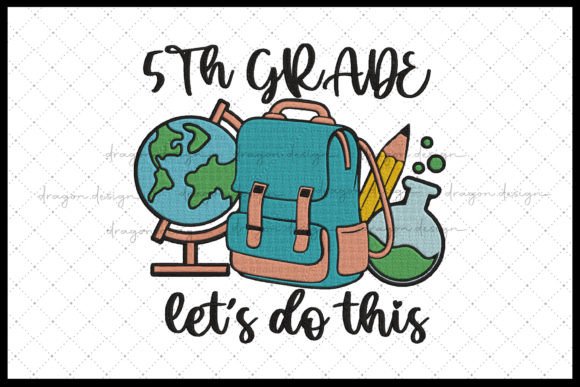
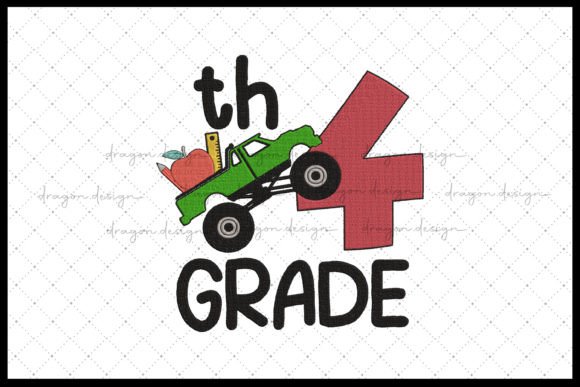
“4th Grade Back to Back to School” refers to a machine embroidery design intended for use in back-to-school crafting projects. It typically features stylized text—often with playful fonts, school-themed motifs (like apples, pencils, or backpacks), and decorative elements—that spells out “4th Grade” alongside “Back to Back to School.” The phrase “Back to Back to School” is not a grammatical construction but a stylistic repetition used in design titles to emphasize continuity, transition, or celebration of the return to learning—especially relevant for students entering fourth grade, a milestone year marked by increased academic expectations and growing independence.
This embroidery design is distributed as a digital file set, compatible with home and small-business embroidery machines. It includes multiple file formats—commonly DST, PES, EXP, JEF, VP3, and XXX—to support broad machine compatibility across brands like Brother, Janome, Bernina, and Husqvarna Viking. Users download the files, transfer them to their machine, and stitch the design onto fabric using an embroidery hoop and appropriate stabilizer.
Why Consider This Design?
People often seek 4th Grade Back to Back to School embroidery for practical, sentimental, or functional reasons. For example, educators may use it to personalize classroom materials—such as tote bags for supply kits or name tags for desks. Parents sometimes choose it to create custom items for their child’s first day: monogrammed lunchboxes, backpack patches, or t-shirts that celebrate the student’s new grade level. Crafters and small-batch makers may incorporate it into home decor—think framed samplers, pillow covers, or wall hangings—as part of seasonal or educational-themed displays.
The appeal lies partly in its specificity. Unlike generic “Back to School” designs, this one acknowledges the developmental significance of fourth grade: a time when students begin more complex reading, multi-step math, and collaborative projects. Using a grade-specific motif can reinforce identity and confidence during a transitional year.
Benefits and Practical Advantages
One clear benefit is versatility. Because the design is digitized for machine embroidery, it maintains consistent quality across repeated uses—unlike hand-embroidered versions, which vary with skill level and time investment. The inclusion of multiple file formats reduces compatibility concerns; users are less likely to need conversion tools or third-party software to get started.
Another advantage is scalability. Most versions allow resizing within reasonable limits (typically ±15–20% of the original dimensions) without significant loss of stitch integrity—making it suitable for both small items like keychains and larger surfaces like tote bags or quilt blocks. When paired with appropriate fabric and stabilizer choices, the finished embroidery holds up well through regular washing and wear.
The design also supports personalization. While the core text remains fixed, crafters can combine it with coordinating elements—such as borders, secondary motifs, or color variations—to reflect individual style or school colors. This flexibility helps differentiate handmade gifts from mass-produced alternatives.
Tradeoffs and Realistic Expectations
It’s important to recognize limitations. As a pre-digitized design, 4th Grade Back to Back to School offers no built-in editing capability unless the user owns embroidery editing software. Changing font, spacing, or layout requires technical knowledge and may affect stitch density or underlay structure—potentially leading to puckering or thread breaks if not handled carefully.
Stitch count and complexity influence performance. Some versions include dense fill areas or fine details that demand higher-quality thread, precise tension settings, and stable hooping—especially on lightweight or stretchy fabrics. Beginners may need practice runs on scrap fabric before committing to final pieces.
Also, while the phrase “Back to Back to School” adds thematic emphasis, it may confuse viewers unfamiliar with the stylistic convention. In contexts where clarity matters—such as school-approved apparel or district-branded items—it’s worth verifying whether the wording aligns with institutional guidelines or communication standards.
When This Design Is a Strong Fit
This embroidery works best when the goal is to create recognizable, grade-specific items quickly and consistently. Families preparing for fourth grade who want coordinated, handmade accessories—like matching sibling shirts or teacher appreciation gifts—will find value in its ready-to-use format.
It’s also well-suited for crafters already comfortable with machine embroidery basics: hooping, stabilizer selection, thread management, and basic troubleshooting. Educators running after-school clubs or PTA groups may use it efficiently for batch-producing classroom resources without requiring advanced customization.
Small businesses focused on personalized school merchandise—especially those serving local communities—can integrate this design into product lines targeting fourth-grade milestones, such as “First Day of 4th Grade” keepsakes or end-of-year memory blankets.
When Alternatives May Be More Appropriate
If your project requires exact wording control—such as adding a child’s name, school name, or graduation year—a custom lettering design or editable vector-based embroidery file would offer greater flexibility. Similarly, if you’re working with nonstandard materials (e.g., leather, vinyl, or heavy canvas), you may need a version optimized for those substrates—something generic 4th Grade Back to Back to School files don’t always provide.
For educators seeking inclusive or adaptable options, neutral phrasing like “Welcome to 4th Grade” or “New Year, New Adventures” may better accommodate diverse learners or multilingual settings. Likewise, schools with strict branding policies may require official logos or approved typography instead of decorative interpretations.
Beginners still mastering basic embroidery techniques might benefit more from simpler, lower-stitch-count designs first. Jumping into a multi-element, text-heavy file before understanding how stitch types interact with fabric can lead to frustration and wasted supplies.
Making an Informed Decision
Before purchasing or downloading 4th Grade Back to Back to School, consider three questions:
- What is the primary use? If it’s for personal, one-off items and you have basic embroidery experience, the design is likely appropriate. If it’s for resale or institutional use, verify licensing terms and test stitch quality on your target fabric.
- Do you have the technical setup? Confirm your machine supports at least one included file format and that your embroidery software (if any) can open and preview the files.
- Does the visual style match your intent? Review sample images—not just the text, but spacing, weight, and balance. A design that looks crisp at 4 inches may become illegible at 2 inches, so check recommended sizes.
Finally, compare offerings across reputable sources. Look for sellers who provide clear previews, size specifications, stitch counts, and customer support—not just promotional language. Reviews mentioning real-world usage (e.g., “held up after three washes” or “worked well on twill”) add useful context beyond marketing claims.
In summary, 4th Grade Back to Back to School serves a defined niche: machine embroiderers wanting a grade-specific, school-themed motif that balances recognizability with craft-friendly execution. Its value emerges most clearly when matched thoughtfully to skill level, intended application, and broader project goals—not as a universal solution, but as one practical option among many available to today’s makers.